You are here:

Red Spruce Mapping Project

E-mail Print PDF
gps

We’re looking for volunteers who have access to GPS units and are willing to hike the backcountry and/or drive the back roads of West Virginia to help map the current extent of red spruce.

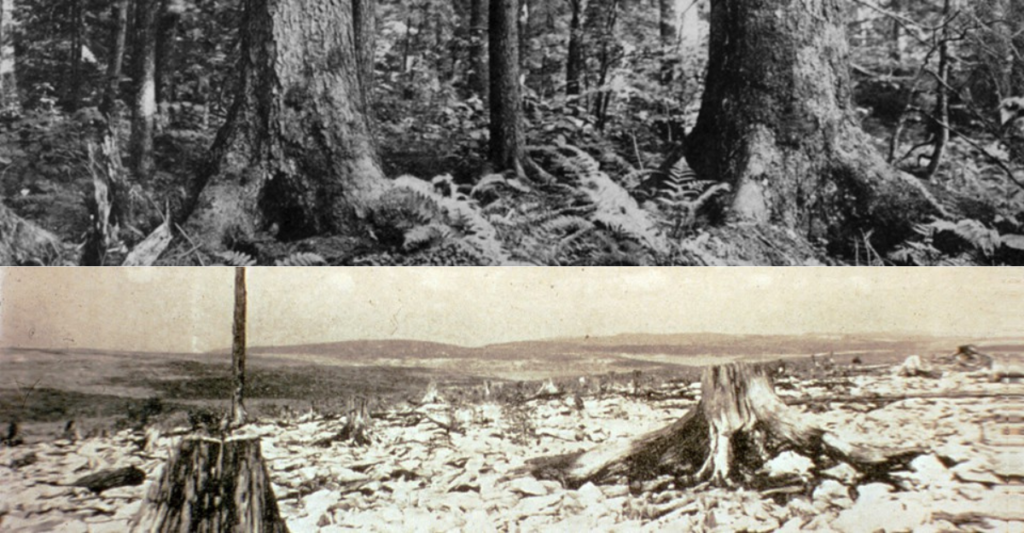
This volunteer effort supports the Central Appalachian Spruce Restoration Initiative (CASRI), a multi-organizational partnership whose vision is to restore a functioning red spruce-northern hardwood forest ecosystem across portions of its former range on both public and private lands, with the scale, connectivity, maturity and other features that provide functional habitat to sustain and enhance the viability of the many species and natural communities dependent on this ecosystem. In order to restore red spruce communities, we need to know where our remnant red spruce stands currently exist on the landscape, and thus where the greatest opportunities for restoration and habitat connections are.

The CASRI partners have worked together to create a map of conifer cover, based on air photo interpretation, within the range of red spruce in West Virginia.  The map has over 13,000 polygons showing high, medium, low, and absent conifer cover.  However, much of the conifer cover is hemlock, and some is pine.  We need to turn this conifer map into a red spruce map, and we need your help.  Here’s how you can participate:

What you need:

  • Garmin (or Trimble) GPS unit that can download points
  • Access to a computer with Excel and DNR Garmin (free download) software
  • Ability to distinguish red spruce from hemlock, fir, pine, and Norway spruce

Here are three ways to help:

A. Adopt an area. If you or your group would like to adopt an area, let us know.  You will need to designate a group GIS coordinator to compile and submit your points.  Adopting an area involves collecting points over the entire area, including poorly accessible places that are off the trail or road.  You could choose a state park, a section of the Monongahela National Forest, or any favorite spot that is at least 1000 acres in size.

B. Coordinate GIS records from volunteers. If you are savvy about downloading GPS units into projected, attributed shapefiles, let us know!  We need skilled people to compile volunteer data into shapefiles as per our written protocols.

C. Collect spruce points.  Whether you are a weekend hiker, a driver of back roads, or lucky enough to work out-of-doors in the spruce ecosystem, you can bring along your GPS unit and collect points for this project.  We have a particular need for those rare individuals who are tech-savvy, woods-wise, and enjoy exploring off the trail.  Contact your area or GIS coordinator for detailed instructions on how to record and submit points.  If you haven’t got a coordinator yet, you can contact Evan Burks This e-mail address is being protected from spambots. You need JavaScript enabled to view it This e-mail address is being protected from spambots. You need JavaScript enabled to view it Phone: (304) 636-1800 x288.

Web map: http://martes.dnr.state.wv.us/SpruceMap/ (zoom in to 1:24,000 scale)

Keep up with the progress of this volunteer mapping project on the web!  The web map, powered by W.V. Division of Natural Resources, shows adopted areas, ground truth points that we already have, and the polygons that still need to be attributed on the map.  The map can be helpful if you want to find “virgin territory” that hasn’t been visited yet, or conifer polygons that lie off the trail or just over the hill.  Zoom the scale to 1:24000 to see the level of detail we are aiming for.  We will be modifying and attributing polygons to reflect actual spruce cover based on the points you collect.  Tune in often!

Contact: If you would like to volunteer, or if you have questions, please contact Evan Burks This e-mail address is being protected from spambots. You need JavaScript enabled to view it This e-mail address is being protected from spambots. You need JavaScript enabled to view it Phone: (304) 636-1800 x288.


Who are we?

This website has been established and is being managed by the West Virginia Highlands Conservancy to support the work of the Central Appalachian Spruce Restoration Initiative (CASRI).

CASRI is a partnership of diverse interests with a common goal of restoring historic red spruce-northern hardwood ecosystems across the high elevation landscapes of Central Appalachia. It is comprised of private, state, federal, and non-governmental organizations who share a recognition of the importance of this ecosystem.

Contact Us

For more information, and volunteer opportunities, please contact Evan Burks:

Evan Burks
304-636-1800 x288
ejburks@fs.fed.us

casri-invert